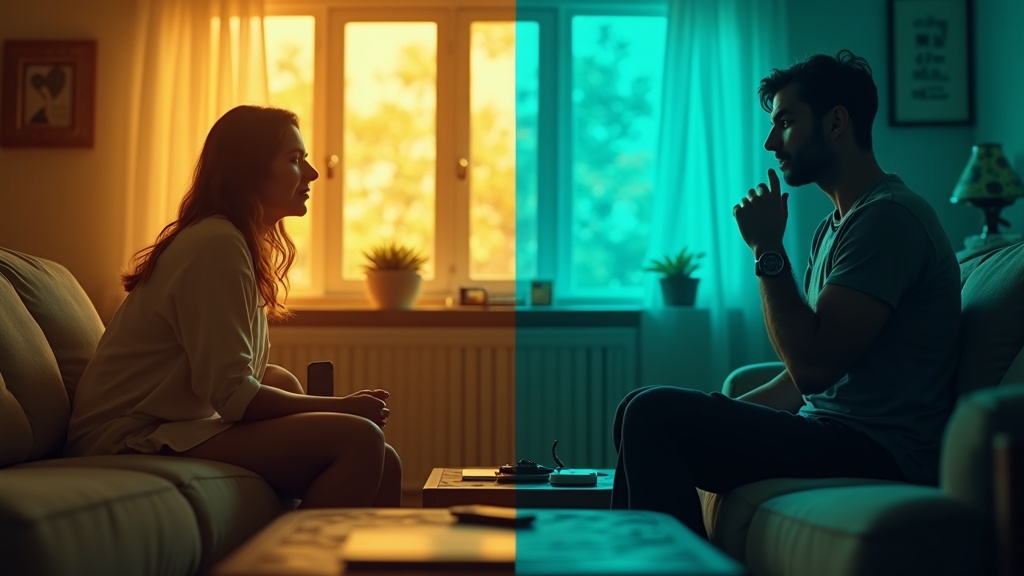
There’s something uniquely awkward about remote one on one meetings. You join the call, exchange quick hellos, and then… what? You run through status updates, maybe ask about a project or two, and suddenly you’re done in fifteen minutes. Everyone clicks the leave button feeling oddly empty.
It’s not anyone’s fault. Video calls just don’t create the natural moments that happen in an office. There’s no walking to the conference room together, no casual chat while someone grabs coffee, no reading the room when someone seems off. You’re thrust straight into business mode, staring at a tiny rectangle of someone’s face.
The result? These meetings start to feel transactional. You cover the work stuff because that’s what meetings are for, right? But the actual relationship part, the human connection that makes remote work sustainable, gets squeezed out. Not because you don’t care, but because it feels forced to suddenly pivot from project status to asking how someone’s really doing.
Here’s the good news: making remote one on one meetings feel personal doesn’t mean you need to become best friends with everyone. It doesn’t require adding thirty minutes of small talk or awkwardly asking about people’s weekends. Personal just means recognizing there’s an actual person on the other end of that video call, and building enough trust that your meetings can go beyond surface-level updates.
That’s completely doable. It just takes a slightly different approach than you might be using right now.
Make the one-on-one about the person, not the dashboard
Here’s the shift that changes everything: your one-on-one isn’t a project status meeting. It’s dedicated time for the person sitting across the screen from you.
Status updates have their place, but that place is Slack, email, or your project management tool. When you spend your one-on-one talking through what’s already written in a dashboard somewhere, you’re using premium real estate for something that could happen asynchronously. Save that face-to-face time for what can’t be typed into a status field.
So what does belong in a one-on-one? Start with what’s actually on someone’s mind. What feels heavy right now? What would make next week easier? Where are they stuck, and what do they need from you to get unstuck? These aren’t performance review questions. They’re just human check-ins that help you understand what’s really going on.
You can also use this time to talk about growth and energy. What does this person want more of in their work? What are they doing too much of? What recent win are they proud of? These prompts open up conversations that actually matter, the kind that build trust and help you support someone better.
The difference is simple but profound. When you ask about tasks, you get task answers. When you ask about the person and their experience, you get real insight into how they’re doing and what they need. That’s what turns a remote one on one meeting from a calendar obligation into something both of you actually value.
Reduce awkwardness with a predictable structure that still feels human
The strangest thing about video calls is how they can feel both intimate and formal at the same time. You’re literally staring at each other’s faces, but the context is so artificial that many people freeze up. A gentle structure helps everyone relax because nobody has to guess what’s coming next.
Start with a brief arrival moment. Not the fake “how was your weekend” question that everyone dreads, but a genuine few seconds to settle in. Let people grab water, adjust their setup, or just breathe. Some managers ask a simple question like “what’s on your mind today?” and then actually wait for the answer.
Then let the employee lead for a bit. They might have updates, questions, or concerns they’ve been holding. This doesn’t mean you sit in silence waiting for them to perform. You can send a few gentle prompts the day before: what’s going well, what feels stuck, what help would be useful. If someone prefers writing their thoughts first, let them. You can read their notes together and talk through them. It takes the pressure off.
After they’ve shared what matters to them, you step in with your support. Maybe that’s problem-solving, maybe it’s clearing obstacles, maybe it’s just listening. This is where you add what you noticed about their work or ask about something you know they care about.
End with a clear wrap-up. Not a formal summary, just a quick “so we’re aligned on this, and I’ll follow up on that” kind of moment. People like knowing when the conversation is finished. It’s respectful of their time and it lets them move on without wondering if they missed something.
The pattern becomes familiar. That familiarity is what lets personality come through. When people know the shape of the conversation, they can stop worrying about the format and actually talk to you.
Use a warm opening that doesn’t feel like small talk interrogation
There’s a difference between showing you care and running through a checklist of personal questions. Genuine warmth means you’re actually curious about the other person, not performing a script. When someone asks “How was your weekend?” in that certain tone, you can tell they’re waiting for you to finish so they can move on.
The goal isn’t to extract personal information. It’s to signal that this conversation has room for whatever matters to them right now.
Try openers that create space without pressure. “Anything you want this time to be useful for?” gives them control. “What’s been taking the most energy lately?” invites a real answer but works just as well if they say “honestly, just the usual project stuff.” Both are better than “how are you?” which everyone answers with “fine” on autopilot.
Some people genuinely prefer to dive into work first and warm up as they go. That’s completely fine. Pay attention to their rhythm and match it instead of forcing a particular structure.
One of the simplest ways to show warmth is remembering something from last time and mentioning it once. “Did that dentist appointment end up happening?” or “How did the presentation go?” works because it shows you were listening. Just don’t overdo it or turn it into an interrogation about their personal life.
The key is making these remote one on one meetings feel like conversations between two people, not a manager conducting an interview. When you get that balance right, the personal connection remote work often lacks starts showing up naturally.
Make the remote setup feel less like a video interview
There’s something about staring into a camera that makes people feel watched rather than heard. When every remote one on one meeting happens on video, it can start to feel like a performance instead of a conversation. That pressure doesn’t help anyone relax or open up.
You don’t need to be on camera every single time. Some conversations flow better over a plain phone call, especially when you’re talking through something sensitive or just catching up. A walking one-on-one where you’re both strolling around your neighborhoods can feel surprisingly natural. You’re not performing. You’re just talking.
When you do use video, give yourself permission to glance at notes or look away without apologizing. Real conversations don’t require constant eye contact. If you need a moment to think or check something, just do it. The same goes for your team member.
Shared documents can take pressure off too. When you’re both looking at the same screen, reviewing feedback or planning together, it shifts attention away from faces and onto the work itself. It creates a sense of collaboration instead of interrogation.
Technical hiccups are going to happen. Someone’s connection will lag. A dog will bark. A child will need something. How you handle these moments matters more than avoiding them. A patient pause and a genuine smile do more for personal connection in remote meetings than pretending everything needs to be seamless. When you treat interruptions as normal instead of failures, you signal that the person matters more than the polish.
Show you’re listening in ways that translate over distance
When you’re sitting across from someone, they can see you’re paying attention. You lean in. You nod. Your body language does half the work. On a video call, most of that disappears.
So you need to make listening visible in other ways. The simplest one is to repeat back what you heard in your own words. Not word-for-word like a parrot, but the core of it. “So it sounds like the project timeline is tight, but the bigger issue is that you’re not sure the design is going to work. Did I get that right?”
That last part matters. “Did I get that right?” or “Am I understanding you correctly?” gives the person a chance to clarify. It shows you’re not just waiting for your turn to talk.
When someone shares something complicated, try naming the tradeoff they’re facing. “It sounds like if you push back on the deadline, you might look difficult, but if you stay quiet, the work suffers.” This tells them you’re really thinking about their situation, not just hearing words.
Follow up with simple questions that dig a little deeper. “What part is the hardest for you right now?” or “What would help most?” These feel personal because they’re specific to what the person just said.
Don’t panic when there’s silence. Sometimes people need a moment to think. Count to five in your head before jumping in. It’s uncomfortable at first, but it gives space for more honest answers.
If someone shares something important, type a quick note in a shared document while you’re still on the call. Let them see you do it. “I’m writing this down so we both remember.” It’s a small thing, but it shows their words mattered enough to capture. Just be thoughtful about what you document. Some conversations should stay in the room, even if that room is virtual.
Balance immediate work with growth and wellbeing without making it heavy
The best remote one on one meetings don’t feel like performance reviews in disguise. They also don’t need to turn into therapy sessions. You’re aiming for something simpler: picking one small thread that goes beyond this week’s task list.
Try adding one future-looking question to each meeting. Not a grand career plan discussion, just something like “What’s one thing you’d like to get better at in the next few months?” or “Is there a skill you’re curious about but haven’t had time to explore?” You’re not committing to a formal training program. You’re just listening to what they’re interested in.
Then add one support question that helps you understand what might be coming up for them. Something like “Anything on your plate that feels like it might get hectic soon?” or “What would make next week easier for you?” These aren’t invitations to solve every problem or become their counselor. You’re simply making space for someone to mention if they’re about to hit a busy patch or if they need something small unblocked.
The key is picking just one of these threads per meeting. You don’t need to cover growth and support and feedback and stress all at once. That’s exhausting for everyone. Choose what feels most relevant that day and let the conversation flow naturally.
If someone gives you a short answer or changes the subject, that’s fine. Not every meeting needs to go deep. But asking these questions regularly tells your team that you see them as whole people, not just task-completers. And in remote work, where casual hallway conversations don’t exist, that matters more than you might think.
Close in a way that feels caring and clear
Remote meetings have a bad habit of just stopping. Someone says “okay, cool,” the screen goes black, and you’re both left wondering what actually happened. That’s not how you want your one-on-ones to end.
Instead, take two minutes to wrap things up in a way that shows you were listening and that you care what comes next. The simplest way is to quickly recap what you heard. Not a formal summary, just a plain-language version of what matters.
You might say something like: “So you’re going to talk to the design team about those timeline concerns, and I’m going to follow up with Sarah about getting you more context on the project goals. Does that sound right?” This gives the other person a chance to correct you or add something you missed.
Before you close the call, try asking a question that invites honesty. Something like “What would you like me to take away from today?” or “Is there anything I should be thinking about between now and next time?” These questions signal that you’re not just going through the motions.
After the call, send a quick message that reinforces you heard them. It doesn’t need to be formal or long. “Thanks for being honest about the workload situation today. I’m talking to Sarah tomorrow and will update you after” works perfectly fine. It’s caring without being stiff, and it shows that the conversation didn’t just evaporate the moment the video ended.
The goal isn’t documentation. It’s making sure the other person feels like the time mattered and that you’re actually going to do what you said.





